
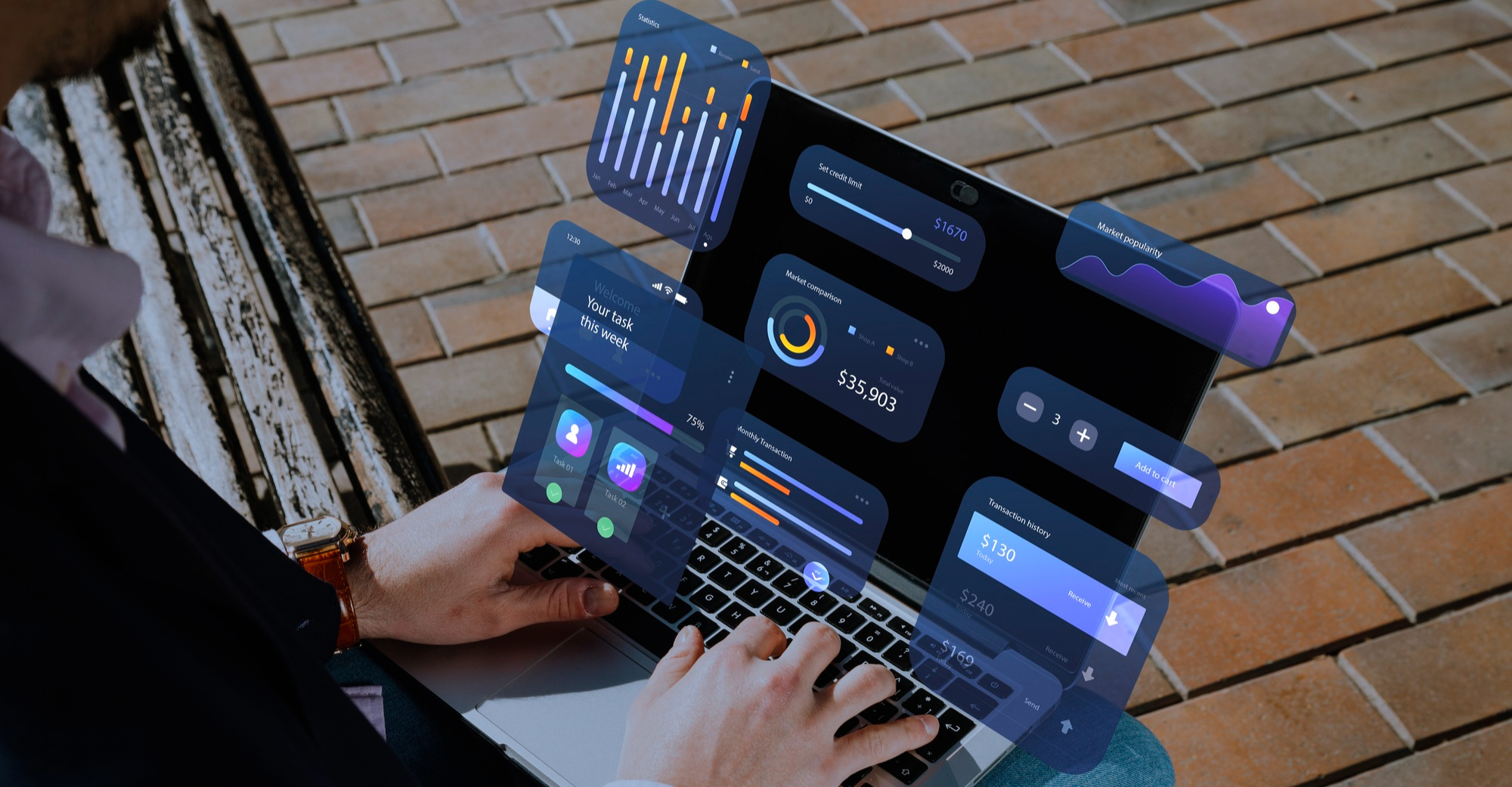
Embracing Digital Accounting: A Step-by-Step Guide to Digitising Your Business Finances for Greater Efficiency and Growth
When building and expanding a small business, it’s easy to overlook digital accounting as a priority. Understandably, immediate needs like managing products, services, and staff often take centre stage. However, digitising your business, especially through cloud accounting solutions, can greatly enhance your operations by improving efficiency, profitability, and adaptability. These solutions offer improved accessibility, lower costs, and enhanced collaboration among employees in different locations. Additionally, they facilitate automation, scalability, and data security for businesses seeking to optimize their accounting processes.
In this guide, we’ll explore the key ways digitisation can positively impact your small business and offer a step-by-step guide to get you started.
What is Cloud Accounting?

Cloud accounting is a modern approach to managing your business’s financial data using cloud computing technology. Unlike traditional accounting software that requires installation on a local computer, cloud accounting software is hosted online. This means you can access your financial information from anywhere, at any time, using any device with an internet connection.
With cloud accounting, your financial data is stored securely in the cloud, providing real-time updates and analytics. This allows you to make informed decisions based on the most current information available. Whether you’re at the office, at home, or on the go, cloud accounting ensures that your financial data is always at your fingertips.
The Benefits of Digitising Your Business Finances
The world of accounting is rapidly evolving, and staying ahead of the curve requires leveraging modern tools to streamline your financial Department processes. Here are some compelling reasons why cloud accounting is a game-changer for your business:
- Improved Efficiency: Improved Efficiency: Cloud accounting platforms automatically handle everyday tasks like bank reconciliations, invoicing, and expense tracking. These platforms also manage bank transactions automatically, ensuring accuracy and saving time. With automation taking care of these time-consuming processes, you and your team can focus on growth rather than getting bogged down by admin.
- Real-time Financial Data: Gone are the days of waiting for month-end reports to understand your financial position. Cloud-based platforms allow you to access real-time financial data from anywhere, ensuring that you always have an up-to-date view of your business’s health. Cloud based accounting software provides up-to-date information accessible from any device.
- Enhanced Collaboration: With cloud accounting, your accountant, finance team, and other stakeholders can collaborate seamlessly. Everyone has access to the same data, eliminating the need for back-and-forth communications and delays caused by outdated information.
- Scalability: As your business grows, so do its financial complexities. Cloud accounting systems are built to scale with your business. They offer various features and integrations that can be easily tailored to meet your evolving needs, ensuring that your financial processes remain efficient and flexible. Cloud accounting enhances business processes by integrating with other platforms and improving workflow efficiency.
- Data Security: Cloud platforms typically offer bank-level encryption and other advanced security measures, protecting sensitive financial information. This is particularly beneficial for small businesses, which may not have the resources to invest in high-level security systems on their own.
- Sustainability: Digitising your financial processes reduces the need for paper records, leading to more eco-friendly operations. By reducing your reliance on physical paperwork, you also decrease storage costs and improve accessibility.
Why Choose Cloud Accounting?
Choosing cloud accounting over traditional accounting software offers numerous advantages that can significantly benefit your business. One of the most compelling reasons is flexibility. Cloud accounting software allows you to access your financial data from anywhere, at any time, which is particularly useful for businesses with remote teams or multiple locations.
Scalability is another key benefit. As your business grows, your accounting needs will evolve. Cloud accounting software can easily scale with your business, offering additional features and integrations as needed. This ensures that your accounting system remains efficient and effective, no matter how large your business becomes.
Cost savings are also a major advantage. Cloud accounting eliminates the need for expensive hardware and reduces IT maintenance costs. Additionally, it automates many manual tasks, reducing the risk of errors and freeing up your team to focus on more strategic activities. With cloud accounting, you can tailor the software to meet your specific needs, ensuring that you get the most value out of your investment.
The transition to cloud accounting doesn’t have to be complicated. Follow these simple steps to digitise your business finances and unlock the benefits of modern accounting tools. Using a cloud accounting system can significantly improve financial management by removing the drawbacks of traditional accounting methods.
Integrate with Other Tools
To maximize the efficiency of your cloud accounting platform, consider integrating third party software solutions. These tools can automate tasks, provide additional functionalities, and improve business operations through seamless API connections.
1. Assess Your Current Financial Systems
Before diving into a cloud-based platform, take stock of your existing financial processes. Identify what works well and what could be improved, and look for bottlenecks or inefficiencies that might be costing you time and money. While desktop accounting software offers robust capabilities, transitioning to cloud solutions can provide enhanced access to business finances and inventory management, catering to diverse user needs across various business sizes.
2. Choose the Right Cloud Accounting Software
There are several cloud accounting platforms available, each offering different features. Consider your business size, industry, and specific needs when selecting the right one. Popular options include Xero, QuickBooks, and Sage, each designed to cater to varying business models and industries.
3. Migrate Your Financial Data
Once you’ve chosen your software, the next step is to migrate your existing financial data to the cloud. Many platforms offer guided onboarding or partner with experts who can help ensure a smooth and accurate transition. It’s essential to back up your data and organise it correctly before moving forward.
4. Automate Everyday Financial Tasks
Take advantage of the automation features within your cloud accounting software. Set up automated invoicing, expense categorisation, and bank reconciliations to reduce manual tasks. Connecting bank accounts to the cloud accounting software can automate transaction postings and data synchronization. This will not only save time but also reduce the risk of human error.
5. Integrate with Other Tools
Cloud accounting systems can be integrated with various other tools such as payroll systems, customer relationship management (CRM) software, and inventory management platforms. Integrating these tools can create a more seamless flow of data across your business, making financial management even more efficient.
6. Train Your Team
Ensuring that your staff is comfortable using the new system is crucial for a successful transition. Most cloud accounting platforms offer comprehensive training materials, and some even provide live support or tutorials. Invest time in training your team so they can make the most of the software.
7. Monitor and Adjust
Once your system is up and running, continuously monitor its performance. Assess whether the platform meets your needs and adjust the settings or processes as necessary. Regularly review financial data, set key performance indicators (KPIs), and use the cloud platform’s analytics features to track progress.
Best Practices for Cloud Accounting
To fully leverage the benefits of cloud accounting, it’s important to follow best practices that ensure the security, accuracy, and efficiency of your financial processes. Here are some key practices to consider:
- Regularly Back Up Data: Even though cloud accounting providers offer robust data security, it’s wise to regularly back up your financial data to ensure business continuity in case of any unforeseen issues.
- Implement Strong Security Measures: Protect your financial data by using strong passwords, enabling multi-factor authentication, and regularly updating your software to guard against security threats.
- Provide Training to Staff: Ensure that your team is well-versed in using the cloud accounting software. Most providers offer comprehensive training materials and support to help your staff get up to speed.
Regularly Review and Update Financial Data: Keep your financial data accurate and up-to-date by regularly reviewing and updating it. This will help you make informed business decisions based on the latest information.
Automate Tasks and Streamline Processes: Use the automation features of your cloud accounting software to handle repetitive tasks such as invoicing, expense tracking, and bank reconciliations. This will save time and reduce the risk of human error.
Emerging Technologies in Cloud Accounting
The landscape of cloud accounting is continually evolving, thanks to emerging technologies like artificial intelligence (AI), machine learning (ML), and blockchain. These innovations are transforming the way businesses manage their finances, offering new levels of automation, security, and insight.
AI and ML are particularly impactful in automating routine tasks and identifying patterns in financial data. For example, AI can automatically categorize expenses, while ML can predict cash flow trends based on historical data. These technologies not only save time but also provide valuable insights that can inform strategic business decisions.
Blockchain technology is also making waves in cloud accounting by enhancing data security and transparency. Blockchain’s decentralized nature ensures that financial transactions are recorded in a secure, tamper-proof ledger, reducing the risk of fraud and errors. As these technologies continue to develop, businesses can expect even more innovative solutions that will further streamline their accounting processes and improve data security.
By staying abreast of these emerging technologies, businesses can leverage the latest advancements to enhance their cloud accounting systems, ensuring they remain competitive in an increasingly digital world.

Transitioning to cloud accounting may seem daunting at first. With the right approach, you can easily manage these common challenges:
- Data Migration IssuesSolution: Carefully plan your data migration, back up all records, and ensure they are correctly formatted for the new system. Use migration tools or seek expert assistance if necessary. Utilizing cloud software can facilitate a smoother data migration process by automating and streamlining the transfer of data.
- Resistance to ChangeSolution: Encourage buy-in from your team by demonstrating the benefits of cloud accounting. Highlight the user-friendly features of online accounting that can help ease the transition. Offer training sessions and provide ongoing support during the transition period.
- Security ConcernsSolution: Ensure your cloud accounting provider uses robust security measures such as encryption, multi-factor authentication, and regular software updates. Verify the provider’s compliance with data protection regulations such as GDPR.
- Integration with Existing SystemsSolution: Investigate how you can easily integrate your current tools with the cloud accounting platform. Many providers offer a wide range of integrations, but it’s essential to verify this before making the switch. Cloud solutions offer significant benefits in ensuring seamless integration with existing tools, enhancing overall efficiency.
Conclusion
In today’s fast-paced business world, digitisation is no longer optional—it’s essential. By embracing the cloud accounts team, you can streamline your financial processes, improve collaboration, and make more informed decisions that drive growth. With a bit of planning and the right tools, transitioning to a cloud-based system can be smooth and highly beneficial for your small business.
Now is the time to invest in your financial infrastructure and prepare for a future where agility and data-driven decision-making are key to success.

