

Changes to Commercial Vehicles
for Tax Purposes
Update from the Autumn Budget 2024
The 2024 Autumn Budget introduced a plan to reclassify double-cab pickups as company cars for tax purposes. This measure was initially proposed by the Conservative Party in February 2024 but was quickly withdrawn after facing pressure from the construction, agricultural, and motor industries. However, it has now been reintroduced in Labour’s first Budget since coming into power.
Overview
The dual-use nature of double-cab pick-ups means they straddle an area between commercial vehicles (i.e. vans) and passenger cars. Historically, HMRC has judged that these vehicles with a payload in excess of one tonne are closer to commercial vehicles than private cars, and therefore attracted desirable tax benefits.
With effect from April 2025, the definition of a van for most taxes is changing. However, HMRC have not amended the definition of a van for VAT purposes. A van for VAT purposes continues to be a vehicle with a payload over one tonne.
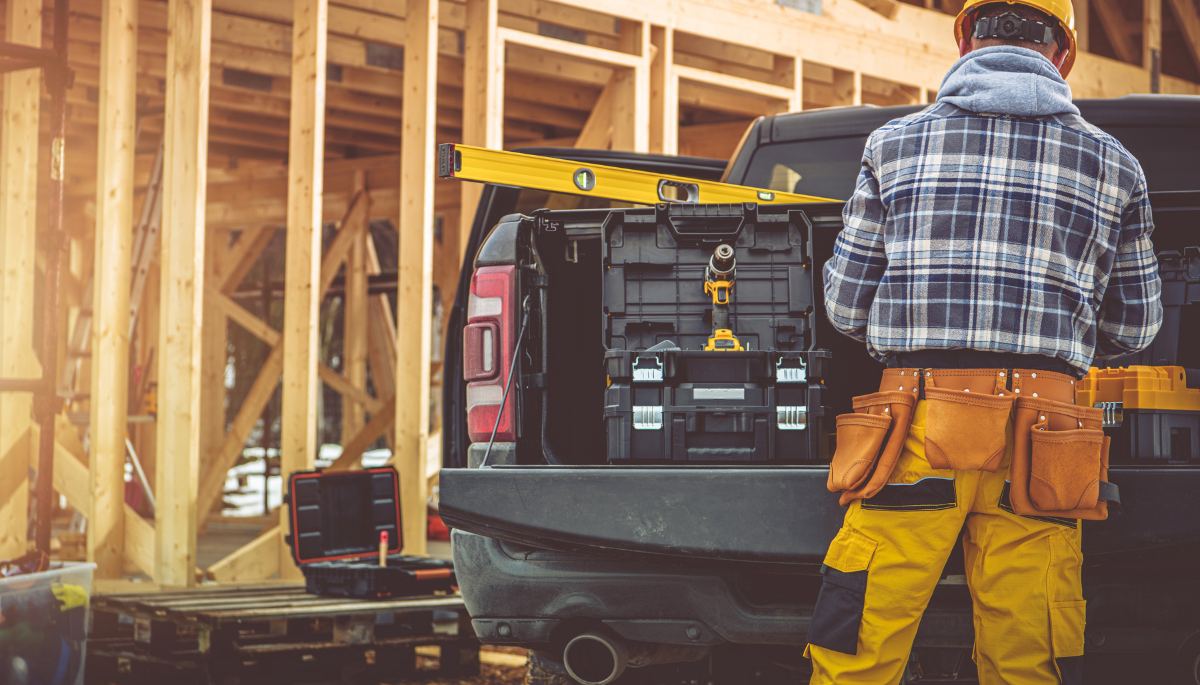
What is a double cab pickup?
A vehicle of this sort normally has:
- a front-passenger cab that contains a second row of seats and is capable of seating about 4 passengers, plus the driver;
- four doors capable of being opened independently, whether the rear doors are hinged at the front or the rear (two-door versions are normally accepted to be vans); and
- an uncovered pickup area behind the passenger cab.
When is it changing?
With effect from 1st April 2025 for corporation tax purposes, and 6th April for income tax purposes, the definition of a van for most taxes is changing.
Going forward, the classification of double cab pick-ups will therefore need to be determined by assessing the vehicle as a whole at the point that it is made available to determine whether the vehicle construction has a primary suitability for the conveyance of goods or burden of any description.
It therefore follows that from 6th April 2025 most, if not all, double cab pick-ups will be classified as cars when calculating the benefit in kind tax.
What does this mean for me?
At the moment, the benefit in kind for drivers using a double cab pick-up (e.g. a basic Ford Ranger) as a company vehicle is based on a fixed rate of £3,960. Meanwhile any extra benefit in kind for fuel is based on a fixed rate of £757 per year. These are due to increase to £4,020 and £769 respectively from 6th April 2025.
Whereas, the benefit in kind for the provision of a car is based on the vehicle’s list price and its CO2 emissions. The higher the CO2 emissions of the vehicle, the higher the benefit-in-kind multiplier percentage.
For the fuel benefit in kind for cars, this is determined by the CO2 multiplier to a fixed figure of £27,800 (due to increase to £28,200 from 6th April 2025). Please refer to the example below to show the difference in tax liabilities under the new rules. This is based on a double cab pick-up with a list price of £40,000 and CO2 emissions of 160km/g.

Will this affect my capital allowances?
With regards to capital allowances, a double-cab pickup will be considered a car rather than a van from 1st April 2025, so depending on whether it’s new or second-hand, and its level of CO2 emissions, it may not qualify for annual investment allowances or full expensing as a van usually would.
However, where a double-cab pickup was acquired before 1st April 2025, the existing capital allowance rules will continue to apply.
Transitional Arrangements
Transitional arrangements for benefits in kind will apply for employers that have purchased, leased, or ordered a double cab pickup before 6th April 2025, whereby they will be able to rely upon the previous treatment until the earlier of disposal, lease expiry, or 5 April 2029.
If a double cab pick-up has been ordered before 1st April 2025, but not made available to an employee until after that date for any reason, then the transitional rules still apply.
- There are a few things you can do to avoid the changes:
- Purchase / renew the lease / order a double cab pick-up before 1st April 2025)
- Use a single cab pick-up as these still be accepted as a commercial vehicle.
- Look at using an electric or low-emission double cab pick-up.
Look at HMRC’s article:
Car Benefit: double cab pickups
To learn more about company cars, mileage and tax, check out our popular article:
10 Legal Ways to Reduce Your Corporation Tax Bill in the UK
Read our latest tax recommendations:
Pay Less Tax Winter 2024 Edition

